Brick Wall Storage: Mounting Guide for Garages
Learn how to safely mount shelves and racks on brick garage walls, including anchor types, load limits, and common mistakes to avoid.
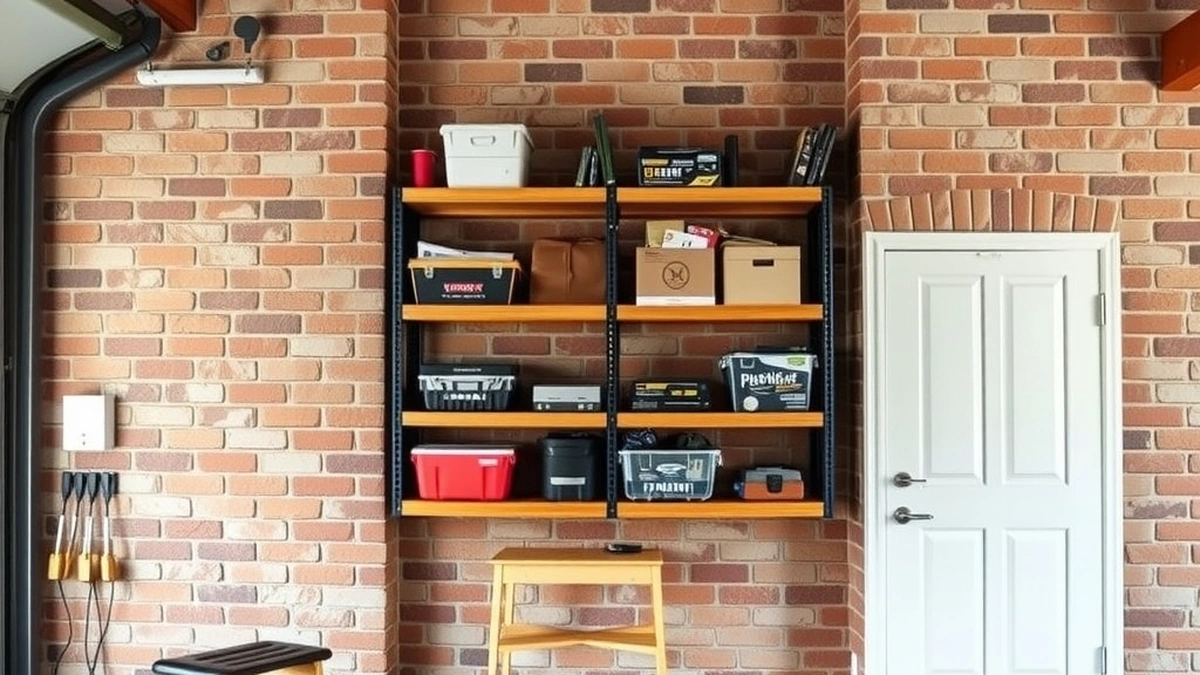
Brick wall storage works when you mount directly into brick or mortar with masonry anchors; never attach heavy garage loads to drywall or plaster over brick.
- Best anchor type
- Sleeve anchors or wedge anchors for solid brick
- Typical load per anchor
- 50–200 lbs (estimate, depends on embedment and brick quality)
- Drill requirement
- Hammer drill with masonry bit
- What to avoid
- Drywall, adhesive hooks, and plastic wall plugs for heavy items
Some links on this page are affiliate links.If you buy through them we may earn a commission at no extra cost to you. We do not accept payment for rankings. Read the full disclosure.
Brick wall storage is a practical option for garages with exposed masonry, but only if the fasteners go into the brick or mortar, not through a finish layer. Start by confirming what the wall is made of and how much weight each anchor must carry. Then choose shelves, cabinets, or hooks that match those limits.
Check the Wall Before You Buy Anything
Measure the wall and identify the material. Exposed brick is common in older garages, while newer construction may have brick veneer over wood or metal studs. If you see paint or seams that look like drywall, tap the surface. Hollow sounds usually mean drywall or plaster; solid, dull sounds suggest masonry.
Never hang garage loads from drywall. Drywall cannot support shelves, bikes, or tool cabinets, and anchors pulled into drywall will fail under load. If your brick is covered by drywall, remove the finish or use freestanding storage instead. For ceiling planning, see our guide on garage ceiling types.
Measure Loads and Spacing
Determine what you intend to store. A 5-gallon bucket of paint weighs roughly 60 pounds. A full tool cabinet can exceed 300 pounds before you add tools. If you plan four shelves holding 50 pounds each, the wall hardware must handle at least 200 pounds plus a safety margin.
Space anchors according to the shelving manufacturer’s instructions, usually every 16 to 24 inches. For a 6-foot-wide shelf with two vertical standards, you might use six anchors total. If each anchor is conservatively rated for 100 pounds in brick, the pair supports 200 pounds per standard, or 400 pounds across the shelf. Treat these figures as estimates; actual capacity depends on brick hardness, mortar condition, and embedment depth.
Choose the Right Anchors
Use masonry anchors designed for brick. Common options include sleeve anchors, wedge anchors, and masonry screws. Plastic wall plugs and expansion anchors meant for drywall are not appropriate for structural garage storage.
A 3/8-inch sleeve anchor embedded 2 inches into solid brick is a typical starting point for medium-duty shelving. For heavier loads, a 1/2-inch wedge anchor embedded deeper may be required. Always follow the anchor manufacturer’s published load ratings and installation instructions. If the brick is soft, spalling, or the mortar is crumbling, reduce the expected load or relocate the shelving to a sound section of wall.
Drill and Install Correctly
Use a hammer drill with a carbide-tipped masonry bit sized to match the anchor. Drill perpendicular to the wall, not at an angle. Clear dust from the hole before inserting the anchor, since dust reduces holding power. Tighten to the specified torque, but do not over-tighten and crack the brick.
If you must anchor into mortar joints, use sound, intact mortar. Avoid joints that are cracked, powdery, or missing chunks. Mortar generally holds less than solid brick, so adjust load expectations downward. For perspective on how this compares to other mounting surfaces, see our overview of garage floor storage and wall alternatives.
Match Products to the Wall
Once the wall and anchors are confirmed, select storage products. Heavy-duty steel shelving, wall cabinets, and slatwall systems can all work on brick if the mounting hardware is appropriate. Lighter items such as hand tools or small bins may suit adhesive-free hooks rated for masonry, but verify the rating before loading them.
For product comparisons, see our guides on best garage shelving, best garage cabinets, and best garage wall organizer. If you are deciding between wall units and floor-based cabinets, our comparison of garage cabinets vs shelves covers the trade-offs.
Cost Example
Suppose you are installing two 6-foot shelves on a brick wall. Materials might include:
- Two 6-foot steel shelf units: $120 each, or $240 total
- Six 3/8-inch sleeve anchors: $8 each, or $48 total
- Hammer drill rental: $45 for half a day
- Masonry bit: $15
Estimated total: $348. This is an estimate; prices vary by retailer and region. If you already own a drill, subtract the rental cost.
When to Use Freestanding Storage
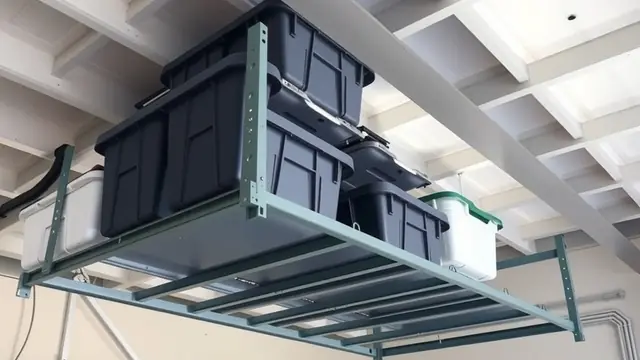
Not every brick wall is suitable for mounted storage. If the brick is decorative veneer, the mortar is deteriorating, or you cannot locate solid masonry behind the surface, choose freestanding shelving or cabinets. These rest on the floor and transfer weight to the slab rather than the wall. For more ideas that do not require wall penetration, see our DIY garage storage guide and our roundup of best overhead garage storage for ceiling-mounted options.
Brick wall storage is safe when you anchor into solid masonry, use the correct hardware, and respect load limits. Measure first, drill second, and buy products last.
Inspection before you drill
Before mounting anything, tap the wall and check the mortar joints for softness or crumbling. A brick wall that crumbles under a screwdriver is not a mounting surface. Look for efflorescence, which suggests moisture moving through the masonry, and fix the water source before adding shelves. On older homes, a wall may be a single wythe of brick with no cavity; that changes both the anchor and the load you can safely hang. When in doubt, hire a mason or a structural engineer to inspect the wall and specify the anchor.
Frequently asked questions
Can I mount shelves on a brick garage wall?
Yes. Brick can support garage shelving when you use masonry anchors rated for the load and drill into the brick or mortar joints, not drywall.
Should I anchor into brick or mortar?
Solid brick usually holds more than mortar, but sound mortar joints can work with sleeve anchors; avoid crumbling or loose mortar entirely.
How much weight can a brick wall anchor hold?
It varies by anchor size, embedment depth, and brick condition; a 3/8-inch sleeve anchor might hold roughly 100 to 200 pounds in good brick, but treat this as an estimate, not a guarantee.
Do I need a hammer drill for brick?
Yes. Standard drills often cannot penetrate brick effectively; a hammer drill with a carbide masonry bit is the correct tool.
Can I hang overhead storage from a brick wall?
Only if the bracket and anchors are rated for the full load and mounted into solid brick; overhead garage racks are usually ceiling-mounted, not wall-mounted.
Is drywall over brick safe for storage?
No. Do not hang garage loads from drywall, even if brick sits behind it; fasten through to the masonry or use a freestanding unit instead.
Sources
Some links are affiliate links.If you buy through them we may earn a commission at no extra cost to you. We do not accept payment for rankings. Read the full disclosure.