
Reviews guides
Storage systems and buyer guides, with the specs that matter.
How we choose what to test
Garage storage decisions start with three fixed numbers: ceiling height, door track, and car depth. A standard ceiling is 8 to 9 feet; low ceilings are 7 feet. Door tracks run 6 feet 8 inches to 7 feet high. A car is 5 to 6 feet deep. Overhead racks drop 10 to 24 inches. Ceiling dead load is rated 10 to 20 psf, and we never hang anything from drywall.
Those limits create the trade-offs. Wall systems keep floor space clear but consume stud capacity and panel area. Overhead racks use dead air above the car but reduce clearance for tall vehicles and roof storage. Cabinets and shelving sit on the floor, which preserves ceiling height but costs square footage you may need to open a door or walk around a vehicle.
We review systems by published load rating, not marketing claims. A wall panel rated 50 lb per square foot behaves differently than a rail rated per linear foot. A 600 lb overhead rack is only as strong as the joists it screws into. Steel gauge, shelf depth, caster size, and warranty length separate systems that hold up from systems that sag.
What the system reviews cover
Our specification reviews break down individual products against the numbers above. The Gladiator GearWall review examines 12-inch panels, hook limits, installation hardware, and real cost per linear foot. The SafeRacks overhead rack review covers the 4x8 unit’s 600 lb capacity, 12 to 45 inch drop range, joist requirements, and cost per cubic foot. The best garage wall organizers comparison pits five systems against published load ratings, wall coverage, and install method.
We do not test aesthetics, paint matching, or brand reputation. We do not assemble every unit in a home garage, and we do not verify long-term rust resistance beyond manufacturer specifications. If a spec sheet omits a load rating or joist requirement, we note the gap rather than guess.
| System type | Key limit | Typical trade-off |
|---|---|---|
| Wall panels and rails | Stud spacing and panel load | Frees floor space; consumes wall area |
| Overhead racks | Ceiling dead load and joist spacing | Uses vertical air; reduces overhead clearance |
| Cabinets and shelving | Floor footprint and shelf load | Easy access; occupies parking or walk space |
FAQ
Can I mount an overhead rack to a 7-foot ceiling?
Only if the rack drop and door track leave enough clearance. With a 10 to 24 inch drop and a door track at 6 feet 8 inches to 7 feet, a low ceiling leaves little room for tall vehicles or roof cargo.
Do you test products by hanging them from drywall?
No. We never hang storage from drywall. All overhead and heavy wall loads must attach to studs, joists, or blocking rated for the weight.
What ceiling dead load should I assume?
Assume 10 to 20 psf unless your builder or an engineer specifies otherwise. Divide the rack’s published capacity by its footprint to see if it fits within that limit.
All reviews guides

Best garage cabinets
Five systems compared on steel gauge, assembly, shelf load, casters, and warranty: NewAge Bold, Gladiator RTA, Husky, Seville, and Manhattan Comfort.
Read the guide →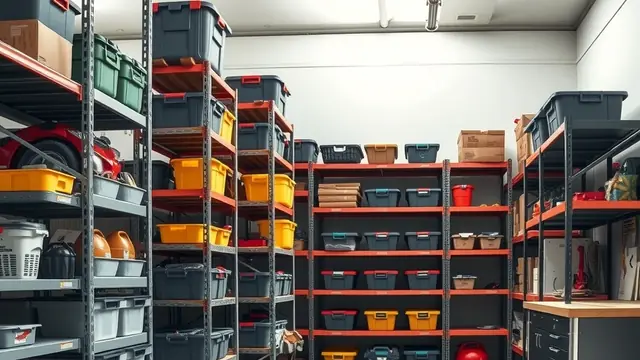
Best garage shelving
Five garage shelving units compared by material, published load per shelf, depth, and adjustability, from welded steel racks to resin units.
Read the guide →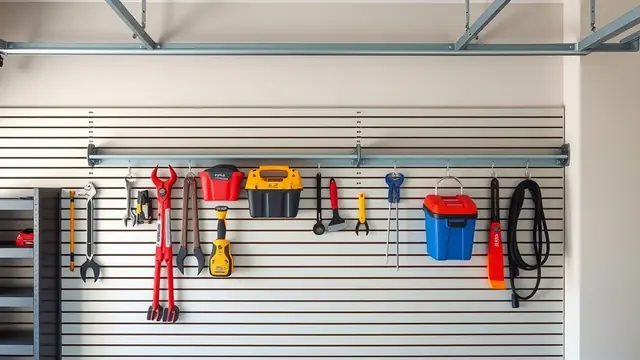
Best garage wall organizers
Five garage wall organizer systems compared by published load rating, wall coverage, and install method, from steel rails to PVC slatwall.
Read the guide →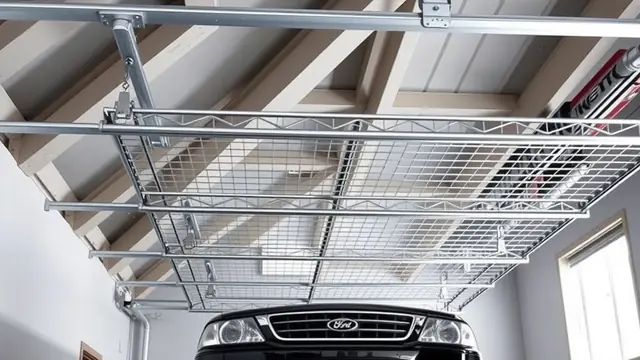
Best overhead garage storage
Five ceiling racks compared by published load, drop range, and ceiling height: SafeRacks, Gladiator, Monkey Bars, Fleximounts, and HyLoft.
Read the guide →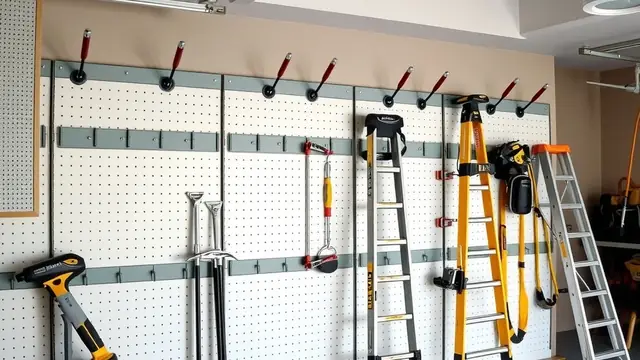
Gladiator GearWall review
A specification review of Gladiator GearWall: 12-inch panels, 50 lb per square foot, hook limits, installation, and the real cost per linear foot.
Read the guide →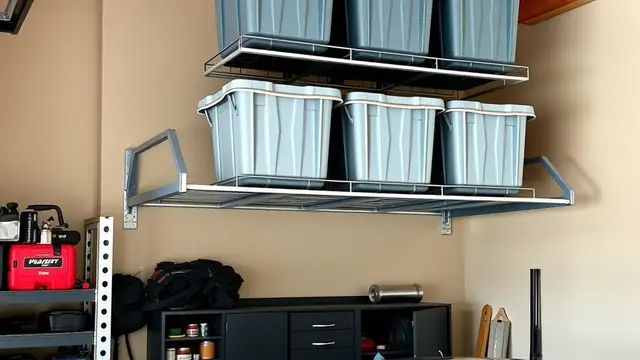
SafeRacks overhead rack review
A specification review of the SafeRacks 4x8 overhead rack: 600 lb capacity, 12 to 45 inch drop, joist requirements, installation, and cost per cubic foot.
Read the guide →