Garage Opener Clearance: What You Need to Know
Measure garage door opener headroom and side clearance before adding storage, with low-profile and side-mount options and tracks.
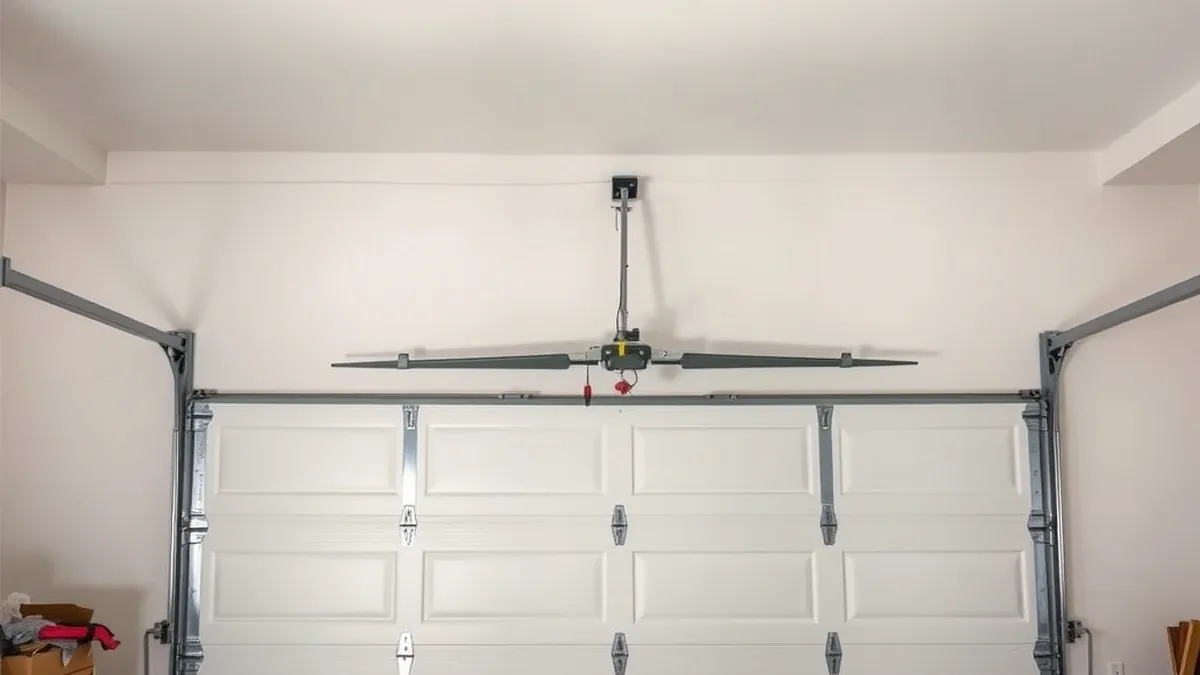
Most residential garage door openers need at least 12 inches of headroom above the door and 4 to 6 inches of side clearance on each side.
- Minimum headroom
- 12 inches (standard sectional door)
- Side clearance per side
- 4 to 6 inches
- Rear clearance
- Door height plus 18 to 24 inches
- Ceiling joist check
- Required before overhead mounting
Some links on this page are affiliate links.If you buy through them we may earn a commission at no extra cost to you. We do not accept payment for rankings. Read the full disclosure.
Garage opener clearance is the unobstructed space required around a garage door so the motor, rail, and door panels can move freely. Most residential sectional doors need at least 12 inches of headroom above the door and 4 to 6 inches of side clearance on each side. Measuring this space before you buy an opener prevents installation delays and costly returns.
Why Clearance Comes Before Products
A garage door opener is a mechanical system, not a shelf you can reposition after the fact. The rail runs horizontally from the header to the motor, and the door panels travel vertically and then curve back along the ceiling. If the ceiling is too low, joists are in the way, or overhead storage hangs too low, the door will not open fully.
Ceiling, joist, and load measurements come first. Products come second. Never suggest hanging loads from drywall, and never mount an opener rail or motor to drywall alone. Drywall cannot support the weight or vibration of a garage door opener. All structural attachments must go into ceiling joists, a solid header, or manufacturer-approved framing hardware.
Standard Clearance Measurements
Most residential garage door openers are designed around standard sectional doors. The following measurements are typical starting points, not universal rules. Always check your door and opener manufacturer’s specifications before drilling.
| Clearance Area | Typical Minimum | Notes |
|---|---|---|
| Headroom above door | 12 inches | Standard torsion spring systems |
| Low-headroom hardware | 8 to 10 inches | Requires special tracks; verify with door maker |
| Side clearance per side | 4 to 6 inches | Needed for vertical track and door panels |
| Rear clearance | Door height plus 18 to 24 inches | Allows rail and trolley to travel |
| Motor mounting height | 7 to 8 feet above floor | Keeps motor clear of vehicles and storage |
Headroom is measured from the top of the door opening to the lowest ceiling obstruction, including joists, beams, lights, and existing overhead storage. If your measurement falls short, you may need low-headroom hardware, a different door type, or a jackshaft opener mounted beside the door instead of overhead.
Measuring Your Garage
Start with the door closed. Measure from the floor to the top of the door opening, then from the top of the opening to the ceiling. Subtract any obstructions. For example, if the ceiling is 96 inches high and the door opening is 84 inches, you have 12 inches of raw headroom. If a joist hangs down 2 inches, your usable headroom drops to 10 inches, which may require low-headroom tracks.
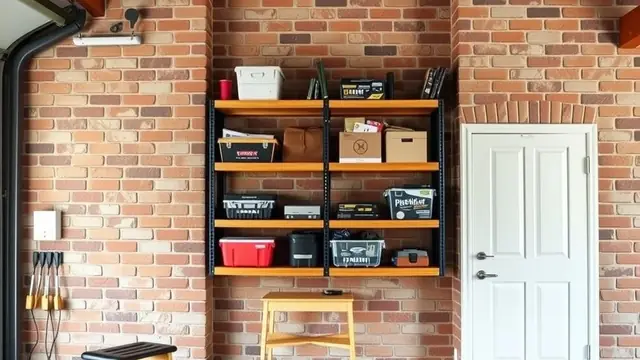
Measure side clearance from the door jamb to the nearest wall, cabinet, or shelving unit. Most openers need at least 4 inches on each side, though 6 inches provides more working room. If you plan to install wall organizers or cabinets nearby, confirm they will not interfere with the vertical track. For guidance on wall storage placement, see our guide to the best garage wall organizer.
Measure rear clearance from the header back to the back wall. A 7-foot door needs roughly 9 to 9.5 feet of rear clearance for the rail and trolley. If you store long items such as ladders or kayaks along the back wall, confirm they will not block the door’s path.
Joists, Loads, and Mounting
Garage ceiling joists are typically spaced 16 or 24 inches on center. Use a stud finder to locate them, then mark the center of each joist where you plan to attach the opener bracket or rail supports. An opener motor can weigh 20 to 40 pounds, and the rail transfers door weight and operating force into the ceiling structure. Drywall alone carries none of that load safely.
If your joists do not align with the ideal opener location, you can install a mounting board or header across multiple joists and attach the opener to that board. The board must be fastened into the joists with appropriate lag screws or structural screws, not drywall anchors. When in doubt, consult a qualified installer or your local building department. The International Code Council publishes model building codes that many local jurisdictions adopt for garage construction and mechanical attachments.
Overhead Storage and Opener Clearance
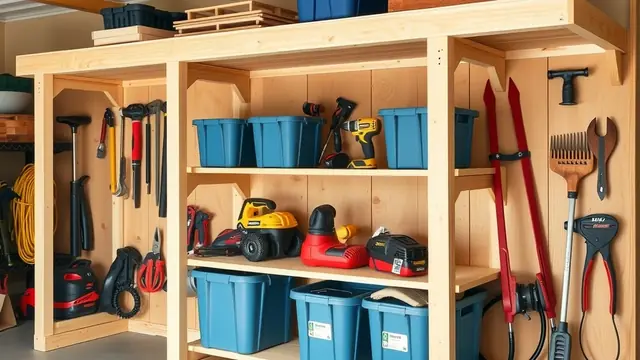
Overhead garage storage is a common source of clearance conflicts. A rack installed too low can block the door’s upper travel or contact the opener rail. As a general rule, keep overhead storage at least 12 inches above the highest point the door reaches, and never install storage directly over the rail path unless the manufacturer explicitly approves it.
If you are combining an opener with overhead racks, plan the layout on paper first. For example, if your door opens to a height of 84 inches and you need 12 inches of headroom, the highest safe point for storage is roughly 96 inches above the floor, assuming a flat ceiling. If your ceiling is higher, you have more flexibility, but you still must preserve the full travel arc of the door panels.
For more on overhead rack options and weight ratings, see our overview of the best overhead garage storage. For broader installation planning, our DIY garage storage guide covers measuring, joist location, and load distribution.
Costs and Load Estimates
Opener prices vary by drive type and horsepower. These are estimates based on typical retail pricing, not quotes from a specific retailer.
- Chain-drive opener: $150 to $250 estimate
- Belt-drive opener: $200 to $350 estimate
- Jackshaft opener: $300 to $500 estimate
- Professional installation: $150 to $300 estimate
If you need low-headroom hardware, add roughly $50 to $150 estimate for the special track package. If your ceiling framing requires reinforcement, a contractor may charge $200 to $600 estimate depending on joist condition and access.
Load arithmetic matters when adding storage near the opener. A typical 4-foot by 8-foot overhead rack might be rated for 500 pounds distributed evenly. That is about 15.6 pounds per square foot (500 ÷ 32 = 15.625). Do not exceed the manufacturer’s rated capacity, and never mount the rack to drywall. Attach it to joists using the hardware specified by the rack manufacturer.
Choosing the Right Opener for Your Space
Standard rail-mounted openers work best when you have full headroom and rear clearance. If headroom is tight, a jackshaft opener mounts on the wall beside the door and frees up ceiling space, though it still requires side clearance and a torsion spring door. If your garage has a finished ceiling or unusual framing, a professional installer can assess whether blocking or a different mounting method is needed.
Before purchasing, compare the opener’s dimensions to your measured clearance. Confirm the motor will not hit ceiling lights, and verify that the rail will not cross over cabinets or shelving you plan to install. For cabinet and shelving dimensions that affect wall and floor planning, see our comparisons of the best garage cabinets and best garage shelving, plus our breakdown of garage cabinets vs shelves.
Final Checklist Before Installation
- Measure headroom from the top of the door to the lowest ceiling obstruction.
- Measure side clearance on both sides of the door opening.
- Measure rear clearance from the header to the back wall.
- Locate ceiling joists and confirm mounting points.
- Verify that overhead storage, lights, and cabinets will not block door travel.
- Check the opener manufacturer’s minimum clearance specifications.
- Confirm all mounting hardware attaches to joists or structural framing, never drywall.
Taking these measurements first saves time, avoids returns, and keeps your garage door operating safely. Once the clearance is confirmed, you can select an opener and storage products that fit the space you actually have.
Frequently asked questions
What is garage opener clearance?
Garage opener clearance is the open space needed above and beside the door so the motor, rail, and door panels can operate without hitting the ceiling, joists, or stored items.
How much headroom does an opener need?
Most standard sectional doors require about 12 inches of headroom, though low-headroom hardware can reduce that to roughly 8 to 10 inches depending on the door.
Can I mount an opener to drywall?
No. Never hang a garage door opener or its rail from drywall. Mount to ceiling joists, a header, or a manufacturer-approved bracket attached to structural framing.
How much rear clearance is required?
Plan for the door height plus roughly 18 to 24 inches behind the door so the rail and trolley have room to travel without obstruction.
Does overhead storage affect opener clearance?
Yes. Overhead racks must stay clear of the door’s travel path and the opener rail, which often means keeping storage at least 12 inches above the highest door point.
Who sets garage door safety standards?
Model codes and safety standards for garage doors and openers are developed by organizations such as the International Code Council and referenced in local building codes.
Sources
Some links are affiliate links.If you buy through them we may earn a commission at no extra cost to you. We do not accept payment for rankings. Read the full disclosure.