Rubbermaid FastTrack vs Gladiator
FastTrack uses a steel rail rated to 1,750 lb; Gladiator GearTrack uses composite channels rated 75 lb per linear foot. Compare hooks, cost, and warranty.
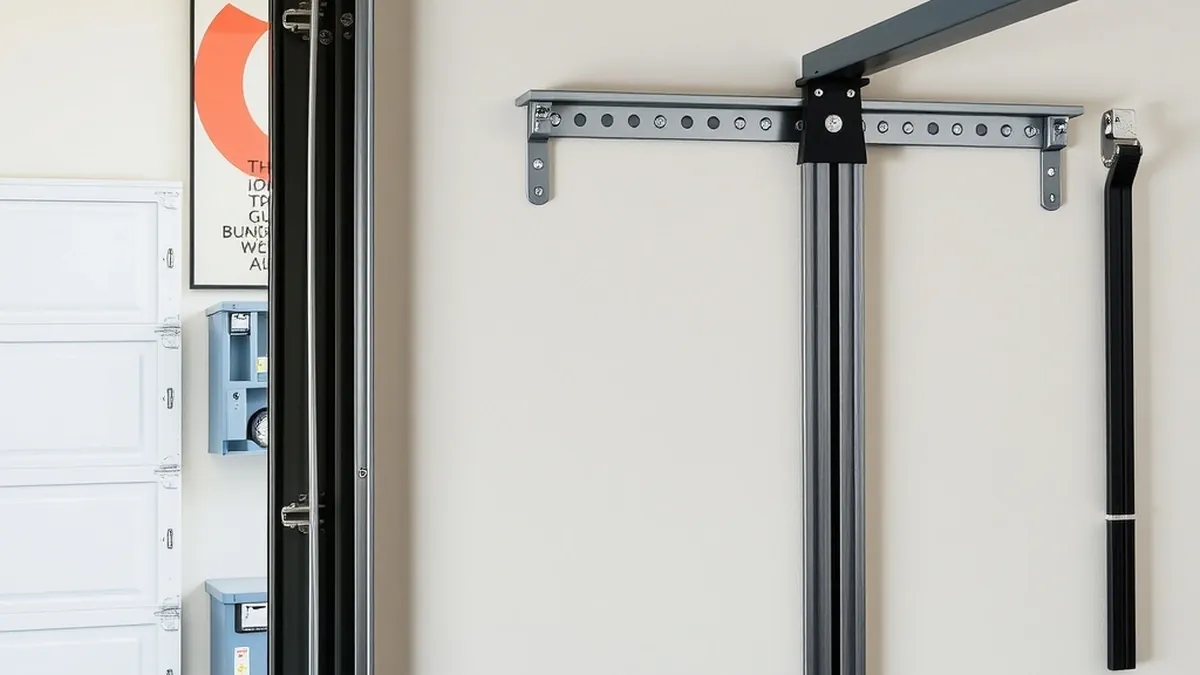
FastTrack is the stronger rail and often the cheaper starter kit; GearTrack has the deeper accessory ecosystem. For heavy tools, FastTrack's steel rail is the safer default; for a full wall, compare accessory cost.
- Rail material
- FastTrack steel; GearTrack composite
- Published rail load
- FastTrack 1,750 lb; GearTrack 75 lb per linear ft
- Hook capacity
- FastTrack 50 lb locking, 25 lb non-locking
- Warranty
- FastTrack lifetime limited; GearTrack channel 10-year
- Best for
- Heavy tools vs. a full wall ecosystem
Some links on this page are affiliate links.If you buy through them we may earn a commission at no extra cost to you. We do not accept payment for rankings. Read the full disclosure.
| FastTrack | Gladiator GearTrack | |
|---|---|---|
| Rail profile | Steel rail with a cover; 48 in. sections | Composite double channel; 48 in. sections |
| Published load | 1,750 lb per 48 in. rail with 4 studs and anchors every 8 in. | 75 lb per linear ft; 300 lb per 4 ft channel |
| Hook capacity | Locking hooks 50 lb; non-locking 25 lb | Varies by accessory; follow the accessory label |
| Cost | Rail about $25–$35; hooks $8–$20; kits $60–$100 | 2-pack channels about $35–$50; hooks $8–$15 |
| Installation | Into studs; anchors between studs; shim to level | Into studs through drywall; spans 16 or 24 in. |
| Warranty | Lifetime limited on garage products | 10-year limited on GearTrack channels |
Rubbermaid FastTrack and Gladiator GearTrack both turn one horizontal rail into a wall of hooks, but they are built differently. FastTrack is a steel rail with a plastic cover; GearTrack is a composite channel with a double groove. The stronger rail is FastTrack, the broader system is Gladiator, and the right choice depends on what you hang.
A garage rail system is a wall-mounted track that accepts hooks, baskets, and shelves at any point along its length.
The 30-second answer
Choose FastTrack if you want the highest published rail capacity, a steel backbone, and a simple starter kit. Choose GearTrack if you want the larger accessory ecosystem, a more finished look, and a system that connects to Gladiator cabinets and GearWall panels. Neither is a bad rail. The mistake is buying one and then discovering the hook you need only exists in the other system.
Rail profiles: steel vs composite
FastTrack uses a formed steel rail with a decorative cover that hides the fasteners. The steel carries the load; the cover is cosmetic. The rail comes in 48-inch sections and mounts horizontally, with holes spaced for studs and anchors.
GearTrack is a one-piece composite channel with two grooves. It is thick, rigid, and resistant to heat, cold, and humidity. The channel is 6 inches tall and 48 inches long, and it can mount directly to bare wood studs or through drywall into studs.
The practical difference is feel. FastTrack’s steel rail is stiffer, so it should flex less under a point load. GearTrack has a little more give, but its double groove gives hooks two engagement points and a more locked-in feel. Both are sturdy when installed correctly.
Load ratings and the fine print
Rubbermaid publishes 1,750 pounds for a 48-inch FastTrack rail. That number comes with conditions: four studs engaged and anchors every 8 inches between them. Rubbermaid’s instructions state that the maximum is not possible with 24-inch stud spacing. The rail is strong, but the rating assumes a specific installation.
Gladiator publishes 75 pounds per linear foot for GearTrack. A 4-foot channel therefore has a nominal 300-pound rail capacity when installed as directed. That is a rail-level number, not permission to hang 300 pounds from one hook. The accessory, the fastener, and the wall all share the load path. For a 16-foot wall, four channels give a nominal 1,200 pounds across the run; that is still a distributed number, not a single-point limit.
Neither number tells you what your wall can carry. A garage wall with a double top plate and 16-inch studs is not the same as a finished wall with steel studs or a thin panel. If you do not know what is behind the drywall, find out before you load the rail.
Hook compatibility
FastTrack accessories slide onto the rail and lock with a tab. Rubbermaid lists 50 pounds for locking hooks and 25 pounds for non-locking hooks. The locking versions are the ones to use for ladders, bikes, and anything that could swing loose.
GearTrack accessories snap into the double groove. Gladiator sells a wide range: utility hooks, bike hooks, ladder hooks, baskets, bins, shelves, and wall cabinets. The accessory ratings vary, so read the label on the hook rather than assuming the rail rating applies.
The systems are not interchangeable. A FastTrack hook will not lock correctly in a GearTrack channel, and a Gladiator hook will not seat in a FastTrack rail. Gladiator’s wall cabinets hang from the same channel, which matters if closed storage is part of the plan. If you already own accessories for one system, stay with it or plan to replace the hooks.
Cost of a working wall
A single 48-inch FastTrack rail commonly runs $25 to $35. A basic hook costs $8 to $20, and a starter kit with a rail and several hooks runs $60 to $100. A 16-foot wall with four rails and a dozen hooks lands around $300 to $500, using 2026 retail estimates.
GearTrack is similar at the rail level: a two-pack of 4-foot channels commonly costs $35 to $50. Hooks run $8 to $15 each. The cost climbs when you add GearWall panels, cabinets, or specialty accessories, because the ecosystem is larger.
Price the project by accessory count, not by rail length. A 16-foot wall might need six bike hooks, two ladder hooks, and a shelf; those parts can cost more than the rails. For layout planning, see /garage-wall-storage-ideas/.
Installation differences
Both rails need level layout and studs. FastTrack uses a steel rail with slotted holes, so you can adjust slightly after the first screw. The cover snaps on after the rail is fastened, which hides the screw heads.
GearTrack channels are rigid and less forgiving of a wavy wall. Shim behind the channel if the wall is out of plane, or the hooks will bind. The channel can mount through drywall into studs, but the fasteners must reach the studs, not just the drywall.
Plan the height before you drill. A rail at 6 feet 8 inches is above most car roofs, but it can conflict with the door track; check the door’s travel before you commit. Leave room for the longest item you plan to hang, and keep the rail clear of the door’s path. Use a magnetic stud finder and confirm with a small nail; plaster and furring can confuse an electronic finder.
Warranty and parts
Rubbermaid backs FastTrack garage products with a lifetime limited warranty. Gladiator lists a 10-year limited warranty on GearTrack channels and a lifetime limited warranty on its hooks. Both warranties cover defects in materials and workmanship, not overload, improper installation, or normal wear.
Parts availability matters more than the warranty length after year five. Both brands are sold through major retailers, and both sell replacement hooks. Gladiator’s advantage is the broader system: the same channel can carry a bike hook today and a wall cabinet later. FastTrack’s advantage is the steel rail and the simple, inexpensive starter kit. Keep the receipt; both brands ask for proof of purchase.
For a system-level comparison, see /best-garage-wall-organizer/. If you are also considering closed storage, /best-garage-cabinets/ covers the cabinet side.
The short version
FastTrack wins on published rail capacity and starter price. GearTrack wins on accessory depth and the ability to build a full wall system. For a heavy ladder or a loaded bike hook, use FastTrack and install it into four studs. For a wall that will grow into cabinets and panels, start with Gladiator and price the accessories first.
Frequently asked questions
Is Rubbermaid FastTrack stronger than Gladiator GearTrack?
The FastTrack steel rail has the higher published rail rating: 1,750 pounds for a 48-inch rail when installed into four studs with anchors every 8 inches. GearTrack channels are rated 75 pounds per linear foot, or about 300 pounds on a 4-foot channel. The rail rating is not a per-hook rating, and the wall structure remains part of the load path.
Are FastTrack and Gladiator hooks interchangeable?
No. Each system uses its own accessory profile, and the hooks are not designed to cross over. A FastTrack hook will not lock correctly in a GearTrack channel, and a Gladiator accessory will not seat in a FastTrack rail. Choose the system by the accessories you need, not by the rail alone.
How much weight can a FastTrack hook hold?
Rubbermaid lists 50 pounds for its locking hooks and 25 pounds for non-locking hooks. The rail can carry far more than a single hook, but that does not make any one hook a 1,750-pound attachment point. Spread heavy loads across multiple hooks or use a shelf accessory.
Can I install either rail on drywall without studs?
No. Both systems are designed to fasten into wall studs or a rated structural backing. Drywall alone will pull out under a loaded rail. Locate the studs with a finder, mark the rail, and use the manufacturer's fasteners. If the wall is masonry or steel, use the manufacturer's masonry or steel fastening kit.
Which system is better for a 24-inch stud spacing?
Both can span 24-inch studs, but the load rating may change. FastTrack's maximum rating assumes four studs and anchors between them; Rubbermaid notes that the maximum is not possible with 24-inch spacing. GearTrack channels are 48 inches long and can span 24-inch studs, but the 75-pound-per-foot rating still depends on correct fastening.
Do the rails work for hanging bikes and ladders?
Yes, with the right accessory. Both brands sell bicycle hooks, ladder hooks, and long-handled tool hooks. Check the accessory's own rating and the clearance behind the rail. A bike hook needs enough depth for the wheel, and a ladder hook needs two points of contact so the ladder cannot swing.
Sources
Some links are affiliate links.If you buy through them we may earn a commission at no extra cost to you. We do not accept payment for rankings. Read the full disclosure.